


Hatsune Miku, developed by Crypton Future Media in 2007 as part of the Vocaloid program, allows users to create songs using her voice. Now, she is a global pop culture icon and performs live using holographic projection technology to sing and dance at events like Miku Expo.
Vocaloid songwriters can use Hatsune Miku and other voicebanks to create songs with programs like Open Utau, Synthesizer V Studio (VSynth) and, of course, Vocaloid. Vocal synthesizer programs are all alike as they use a voicebank, or compiled recordings of someone saying different syllables, to allow users to ”simply enter a melody and lyrics on your computer” to create a song. The difference between the differing Vocaloid characters is that they use different voicebanks from different people.
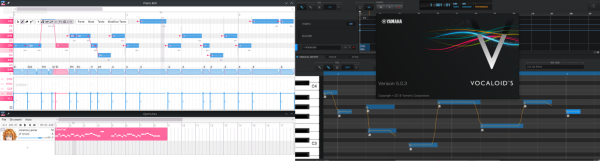
Users get the rights to use these characters in their music by buying these voicebanks in the form of a one-time purchase that ranges from $100-$200 based on the release date and version. Then, depending on their budget, they can use a program to easily turn these voicebanks into a song with every artist having their own opinions on which is best.
Generally, Vocaloid is seen as the easiest to use and get good results, but users must pay for an additional subscription which is also apparent for VSynth. On the other hand, programs like Open Utau are completely free. As a result, they tend to be outdated and not user friendly.
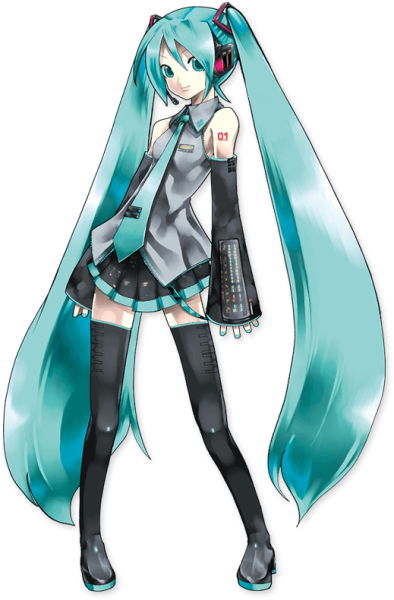
Hatsune Miku and other popular Vocaloids like Kagamine Rin, Kagamine Len, Megurine Luka, KAITO and MEIKO will all be used at the Miku Expo venues. Other popular characters like Kasane Teto, an Utauloid, meaning they were created specifically for the Utau program, will likely not be at events like these since they have different copyright and ownership rights than official Vocaloid characters.
The official Miku Expo site shows specific rules and the specific venues of the concerts as well as information about past concerts like soundtracks and merchandise. Miku Expo will be touring around North America as well as Europe in 2026. Miku Expo is different from other Miku concerts because they are international, so unlike in Japan, they do not use a raffle system for their tickets while concerts in Japan are required to do so to give a fair chance to everyone.
At Miku Expo concerts, both chemical and electric glowsticks are all the rage because they allow the audience to join in on the performance as long as people follow the rules.
“Chemical glowsticks no longer than 30cm are permitted. Glowsticks with excessive light output or other modifications that may interfere with the concert experience of other attendees are not allowed. Please be mindful not to obstruct others’ view of the stage,” mikuexpo.com/na2026.
Many fans like Vocaloid and Hatsune Miku for various reasons.
Trip Warouw found out about Vocaloid in 2011, their 8th grade year, who’s favorite Vocaloid is Megpoid, also known as Gumi. One of Warouw’s reasons for liking Vocaloid is for the merchandise and character art.
“[I would buy] figures, then art prints, then stickers in that order,” Warouw said.
Other fans like Vocaloid for things like the creators, community, art or just the music.
Some people had a negative view on the Miku Expo Concert the last time it toured the US in 2024, because they switched from a projection system to a screen system, giving the hologram a higher resolution but making it look “less real” because of a new found black box in the middle of the stage.
The new orientation may have deterred some fans from buying tickets again since being disappointed with the performance last year.
As the April 20 performance approaches, fans gather showing off art and technology in a way other concerts can’t. Whether a longtime Vocaloid listener or a newcomer, attendees can expect a unique experience with this live performance.


